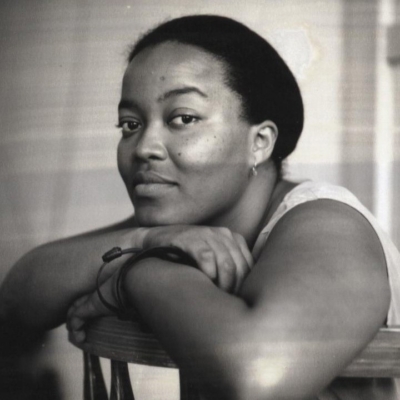
Havana, January 23, 1967 – Havana, September 11, 1999
She was a Cuban printmaker and teacher. She pursued her studies primarily at the Higher Institute of Art (ISA) in Havana.
Specializing in the technique of collagraphy, she elevated printmaking to extraordinary levels of mastery, centering her message on the mysterious Abakuá mythology—a cult of African origin that defined her iconography from her early days until her tragic end. Ayón’s most productive period occurred in the 1990s. During those years, she moved away from color to embrace shades of gray as well as black and white, focusing on large-scale works dominated by imagery of betrayal, disobedience, and longing. It was also during this decade—as part of the group of Cuban artists emerging from the deep crisis gripping the Caribbean island—that she delved into her Afro-Cuban heritage and developed a compelling visual imagery centered on the Abakuá cult. This secret, all-male society originated in Nigeria and was brought to Cuba by enslaved Africans in the early 19th century. The brotherhood’s rituals and beliefs—which stigmatize women yet revere a goddess, Sikán (sacrificed by the cult members themselves and whom Ayón adopted as her alter ego)—provided the artist with a means to address universal themes through mysterious black-and-white images that occasionally incorporate references to other religions, such as Christianity.